
We are Your Commercial Repaint Partner
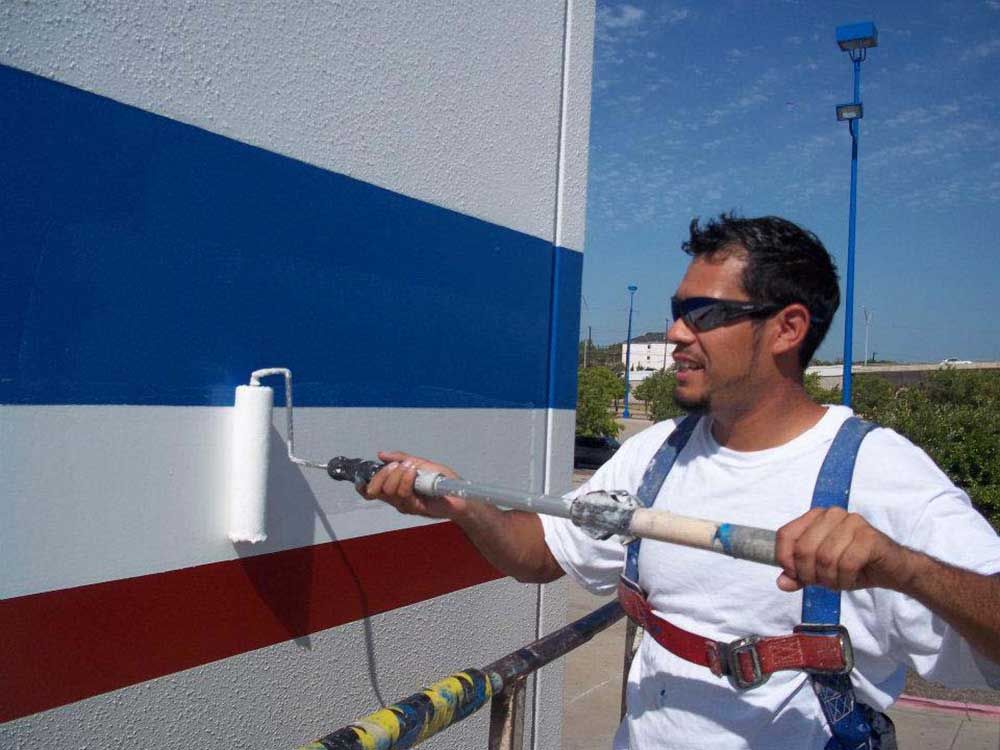
We follow proven repainting procedures developed in accordance with leading industry standards to ensure high-quality, long-lasting results. With modern equipment and 40+ years of professional experience, we consistently deliver on our high quality standards to every project.
No Shut Downs
Our crews work at your convenience
Fully Insured
There is no need to worry when you hire our professional painters!
Contact
(713) 461-4901
OUR SERVICES
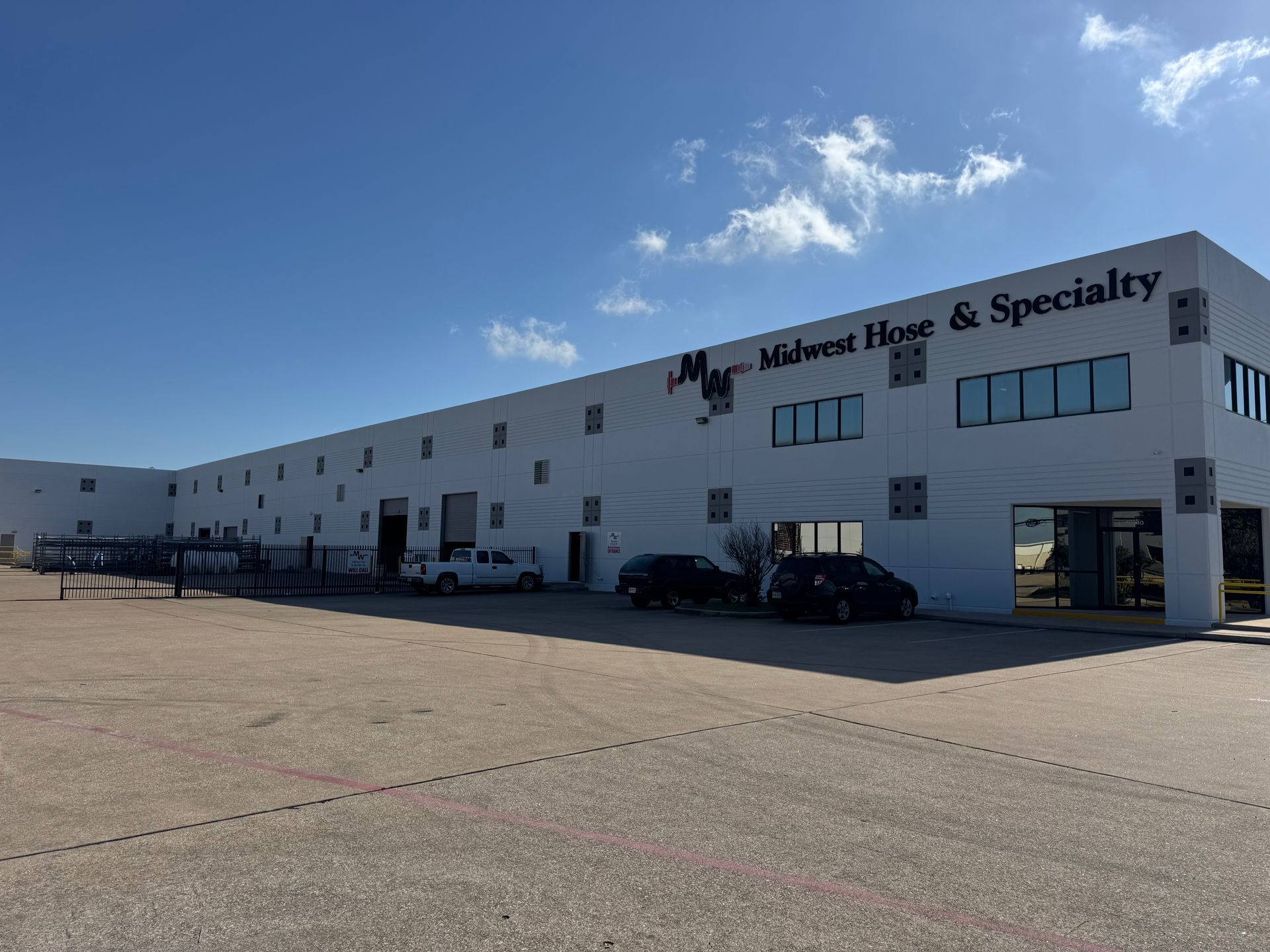
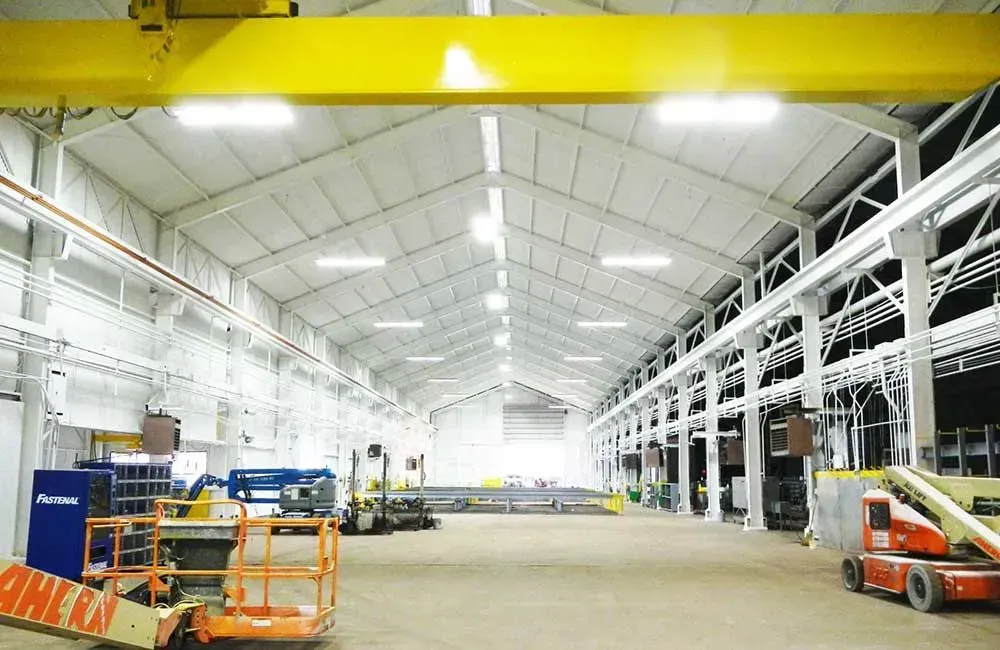
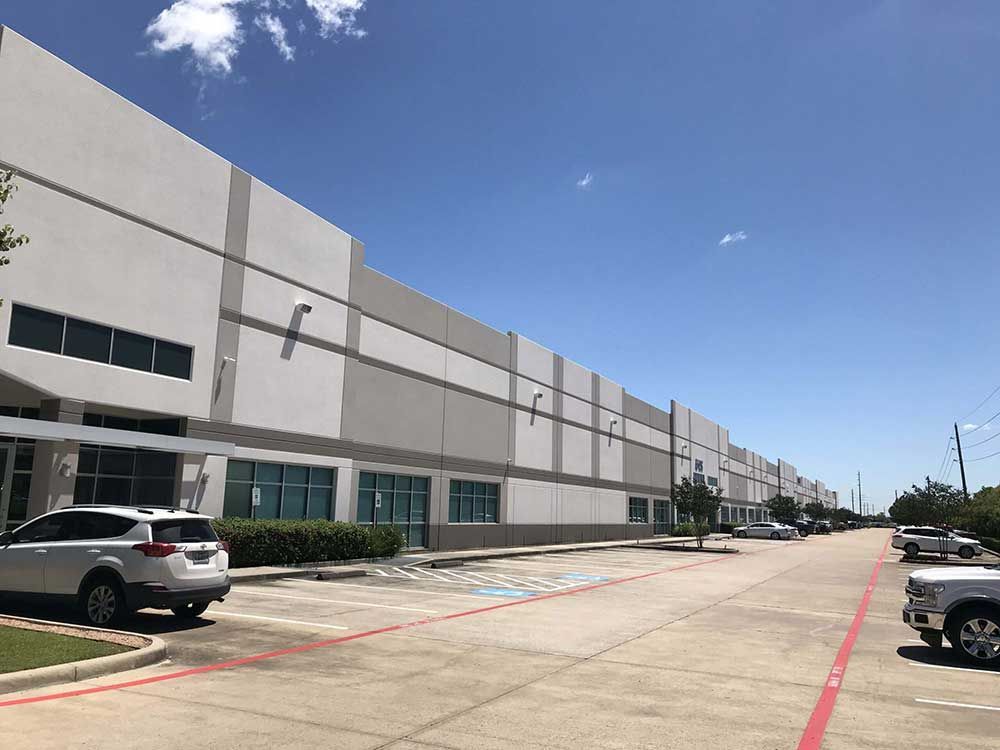
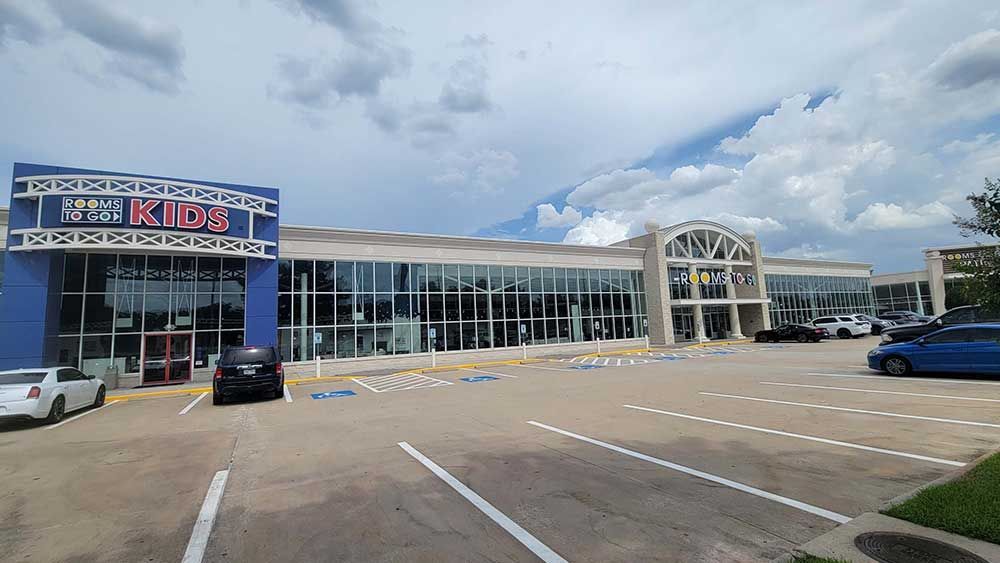
Commercial Painting
Describe some quality or feature of the company. Write a short paragraph about it and choose an appropriate icon.
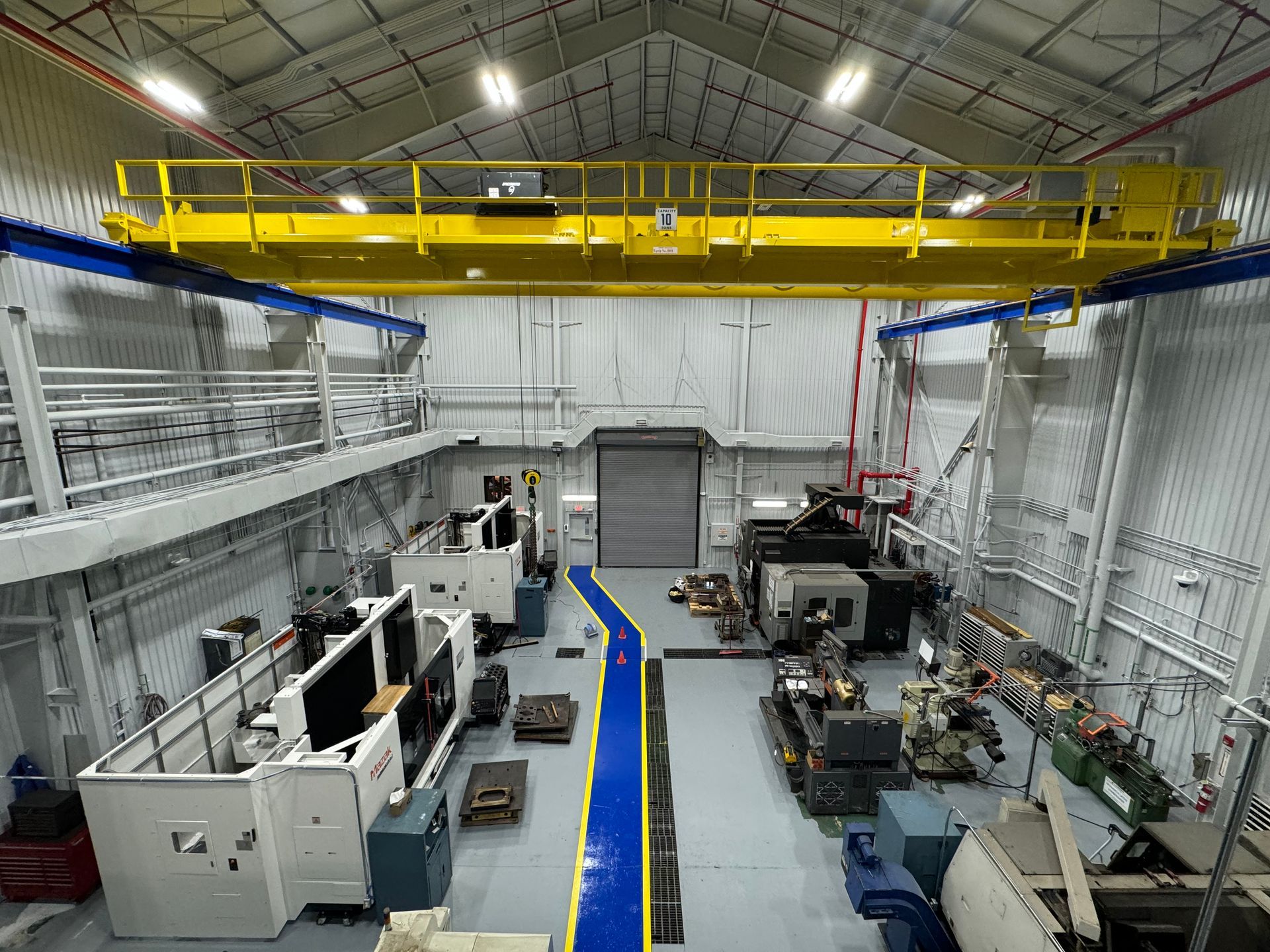
Industrial Painting
Describe some quality or feature of the company. Write a short paragraph about it and choose an appropriate icon.

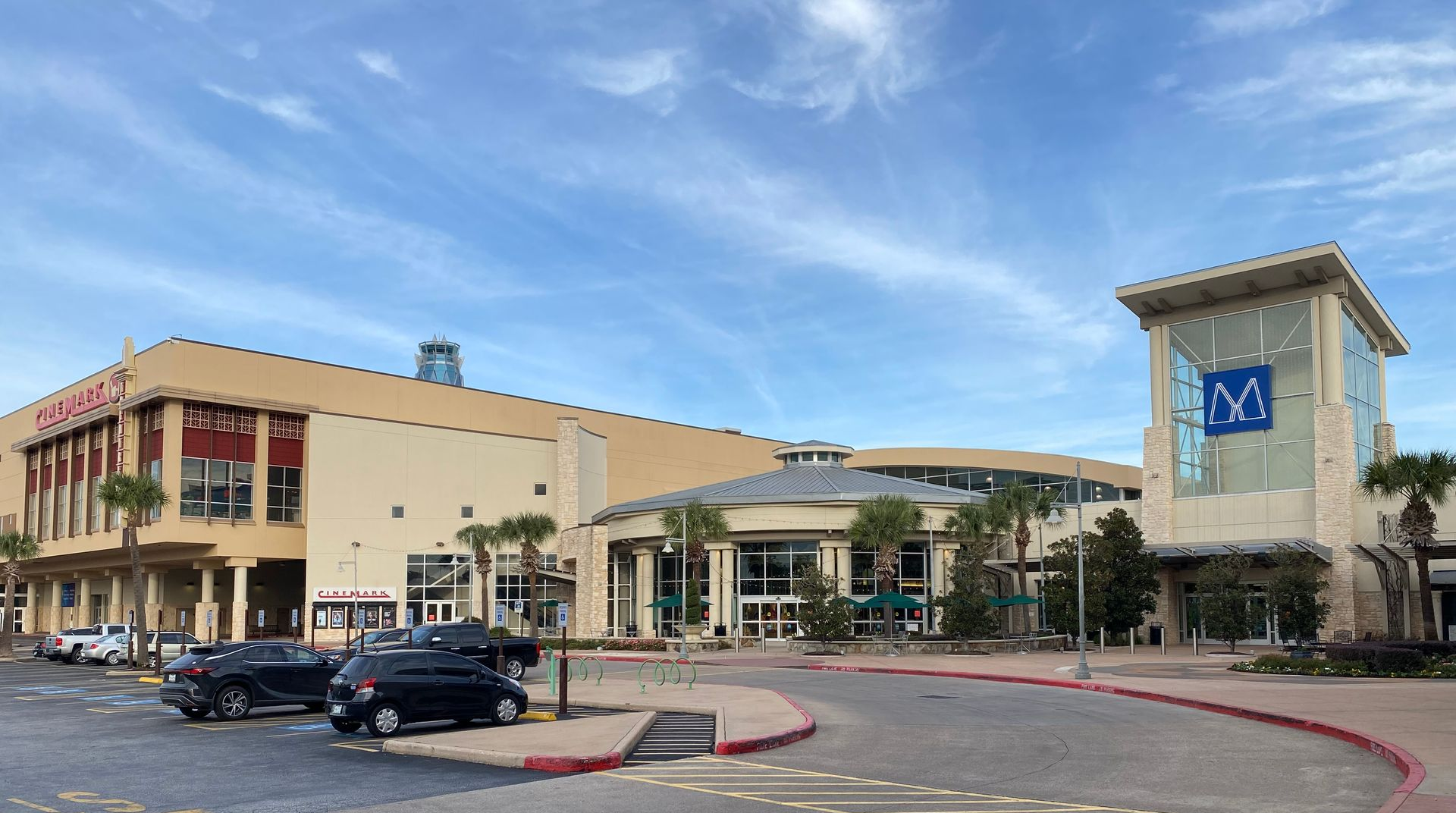
Residential Painting
Describe some quality or feature of the company. Write a short paragraph about it and choose an appropriate icon.
Why Us
Painting Professionals has completed over 5000 projects in the last 40 years with proven commercial painting knowledge and expertise. We understand tight timelines, tenant coordination, and minimizing disruption.
Control Solutions Inc. has been a customer for over 15 years. Have always done an exceptional job for us. Very knowledgeable about the products being applied for the job at hand. Would not use anybody else.
Mark M.
I have used this company multiple times over the years for both personal work and commercial projects
They have been excellent and I recommend them without reservation. The crews are exceptionally knowledgeable and professional and it is not often that a contractor exceeds expectations consistently. These guys do on every project.
Todd R.
I used Painting Professionals for two different projects and they truly lived up to their name!!!! They are extremely knowledgeable, took great care in protecting the surrounding area being painted, and completed both jobs on time and on budget. In todays world getting what is promised seems to be a rarity but Painting Professionals did exactly what was asked and fully communicated with me from start to finish. I highly recommend them for any of project; they TRULY live up to their name.
Troy S.

Industry Insight