Managing a commercial property comes with a long list of responsibilities, and maintaining the appearance of the building is one of the most visible, and important, tasks. A well-planned commercial painting project improves curb appeal, further protects the property, supports tenant satisfaction, and preserves long-term value. This commercial painting checklist is designed to help property managers plan accordingly and avoid common issues.
Start with a Property Assessment
Before scheduling any painting work, evaluate the current condition of the building. Look for peeling or cracking paint, fading caused by sun exposure, water stains, mold or mildew, and areas of heavy wear such as hallways and stairwells. Taking notes and photos during this walkthrough will help you clearly communicate the scope of work to your commercial painting contractor.
Identify All Areas That Need Painting
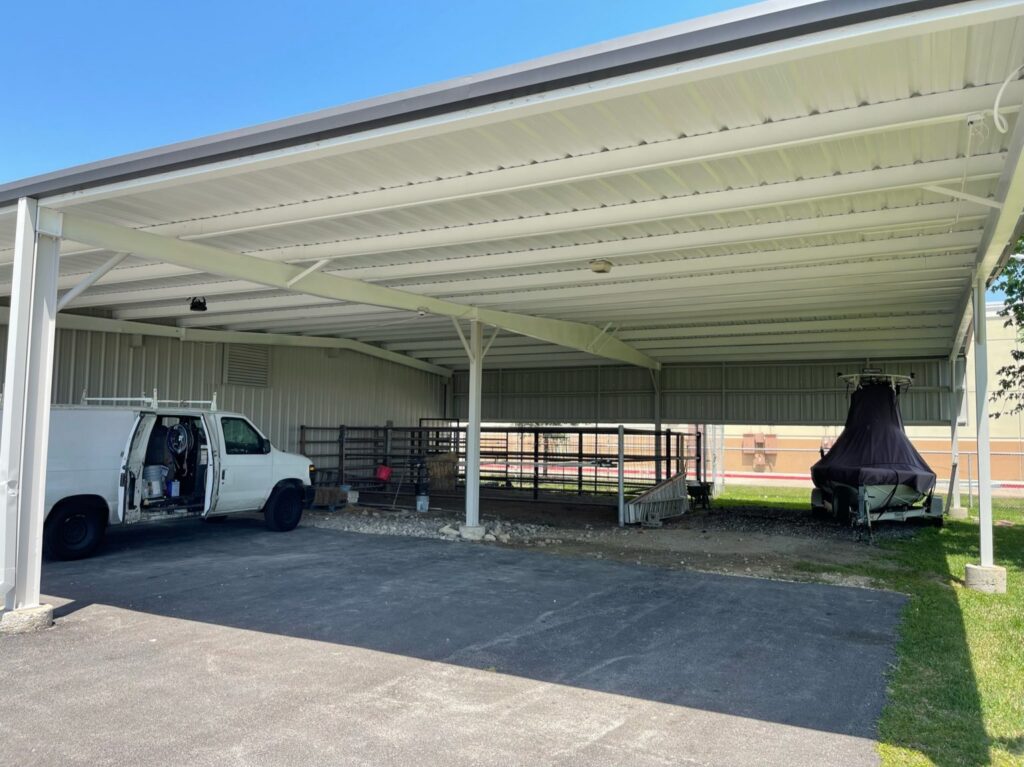
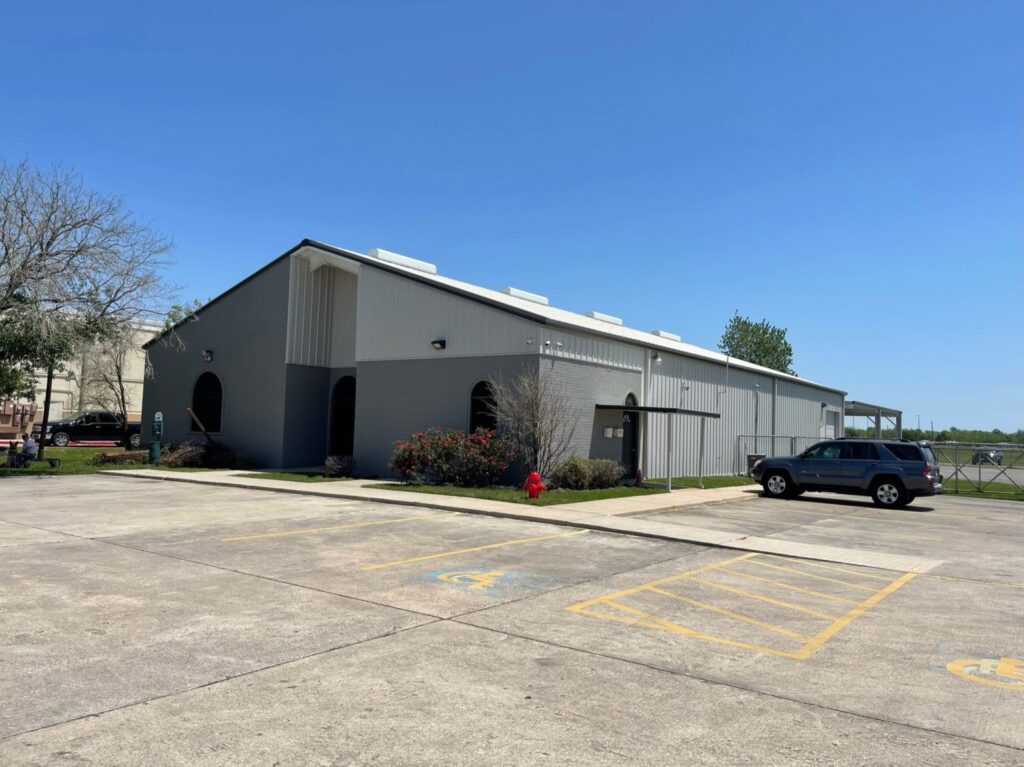
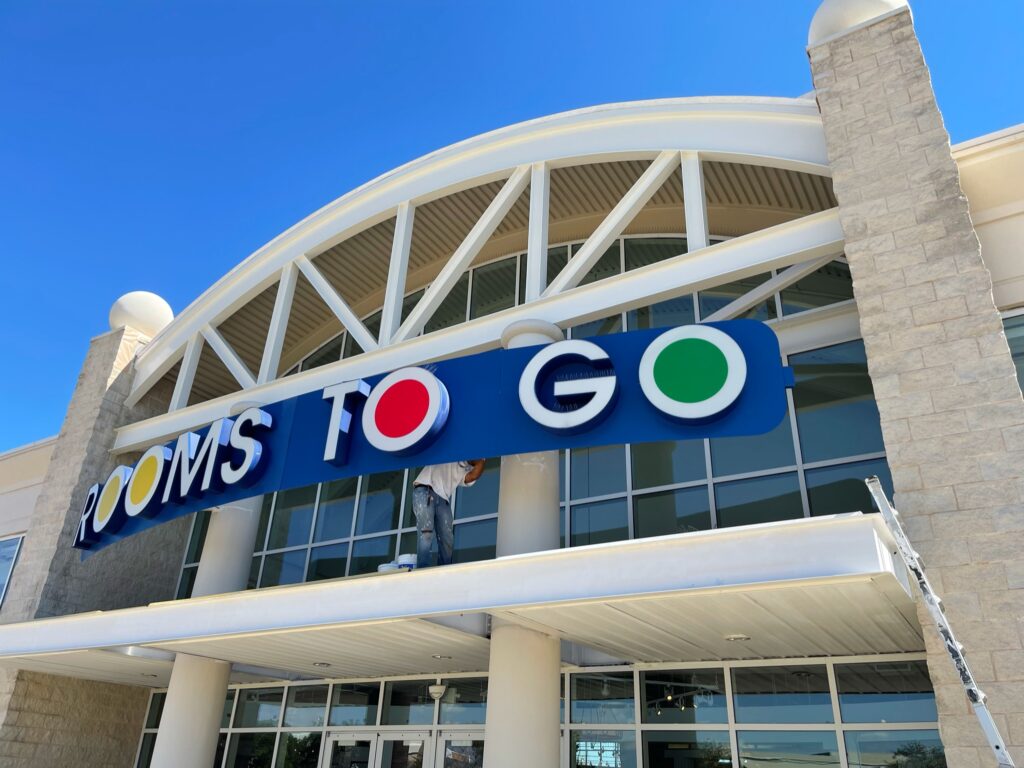
Next, make a detailed list of interior and exterior spaces that require attention. Exterior areas may include the building façade, trim, doors, railings, fences, or parking structures. Interior spaces often include lobbies, hallways, common areas, offices, restrooms, and break rooms. Having a clear inventory helps garner accurate pricing and prevents missed areas.
Select the Right Paint and Coatings
Commercial environments demand durable materials. High-traffic areas require paint designed to withstand frequent contact and cleaning. Low-VOC or zero-VOC paints are ideal for occupied buildings, as they reduce odors and improve indoor air quality. Moisture-resistant coatings are popular choices for restrooms, kitchens, and utility areas, while weather-resistant products protect exterior surfaces from the elements.
Plan Around Tenants and Daily Operations
Minimizing disruption is a top priority for property managers. Coordinate painting schedules during off-hours, weekends, or low-traffic periods when possible. Communicate clearly with tenants about timelines, access points, and any temporary restrictions. Proper planning and transparency help maintain positive tenant relationships throughout the project.
Confirm Safety and Compliance
Always work with a licensed and insured commercial painting contractor who follows OSHA safety standards and local regulations. This includes proper containment of dust and debris, clear safety signage, and lead-safe practices for older buildings. Verifying compliance protects both tenants and property owners from unnecessary risk.
Set a Clear Budget and Timeline
As a professional contractor, we provide a detailed estimate outlining labor, materials, project timelines, and warranty information. Clear expectations prevent surprises and help property managers better plan future maintenance budgets.
Inspect the Finished Work
Before final sign-off, inspect the project to be sure all areas were completed as agreed, coverage is consistent, and the site has been properly cleaned. Save paint colors and project documentation for future touch-ups or maintenance planning.
Plan for Ongoing Maintenance
Routine inspections and prompt touch-ups can significantly extend the life of a commercial paint job, reducing long-term costs and keeping the property looking its best.
Look over this commercial painting checklist before beginning your next project. A well-executed commercial painting project is an investment in your property’s appearance, protection, and value. Partnering with an experienced commercial painting company makes for a smooth process.